
لم تعد أنظمة الطاقة الشمسية مبنية على تدفق واحد للكهرباء. أ الشبكة الهجينة للطاقة الشمسية العاكس تقع عند النقطة التي يمكن أن يعمل فيها توليد الطاقة الشمسية وتخزين البطاريات والأحمال المحلية وشبكة الكهرباء ضمن نفس نظام الطاقة. يؤدي هذا التحول إلى تغيير طريقة تصميم أنظمة الطاقة الموزعة السكنية والتجارية وغيرها.
تركز المنشآت الشمسية التقليدية المتصلة بالشبكة بشكل أساسي على تحويل الكهرباء من الألواح الكهروضوئية إلى طاقة تيار متردد قابلة للاستخدام. تضيف التكوينات الهجينة طبقة أخرى: يمكن تخزين الطاقة واستخدامها لاحقًا بدلاً من استهلاكها على الفور أو إرسالها إلى مكان آخر. وهذا يجعل العاكس جزءًا من هيكل أوسع لإدارة الطاقة بدلاً من مجرد جهاز تحويل.
يظل الدور الأساسي للعاكس واضحًا. تولد الألواح الشمسية الكهرباء بالتيار المستمر، بينما تعمل معظم معدات البناء بطاقة التيار المتردد. يقوم العاكس بمعالجة هذا التحويل بحيث يمكن استخدام الكهرباء المولدة بواسطة الأحمال المتصلة.
يضيف عاكس الطاقة الشمسية الهجين للشبكة مزيدًا من التحكم في المكان الذي تذهب إليه الطاقة المتاحة. اعتمادًا على تكوين النظام وظروف التشغيل، يمكن للطاقة الشمسية أن تدعم الاستهلاك المحلي، أو شحن البطارية، أو العمل جنبًا إلى جنب مع الكهرباء التي توفرها الشبكة.
وهذا يخلق مسار طاقة أكثر مرونة. وبدلاً من التعامل مع توليد الطاقة الشمسية وشبكة الكهرباء كمصادر منفصلة، يمكن للنظام تنسيقهما حول الطلب الفعلي على الطاقة.
تعد إضافة تخزين البطارية أحد أكثر الاختلافات الملحوظة بين الأنظمة التقليدية المرتبطة بالشبكة والأنظمة الهجينة.
وعادة ما يتبع توليد الطاقة الشمسية ساعات النهار، في حين أن الطلب على الكهرباء لا يحدث ذلك. قد ينتج المبنى قدرًا كبيرًا من الطاقة الشمسية خلال منتصف النهار ولكنه يستمر في استخدام الكهرباء بعد غروب الشمس. تسمح البطارية بالاحتفاظ بجزء من تلك الطاقة المولدة لاستخدامها لاحقًا.
في هذا الترتيب، يتعين على عاكس الطاقة الشمسية الهجين للشبكة إدارة أكثر من علاقة تشغيل واحدة. يقوم بربط توليد الطاقة الكهروضوئية مع شحن وتفريغ البطارية مع الحفاظ على الاتصال المناسب مع الشبكة الكهربائية.
بالنسبة لمصممي النظام، هذا يعني أنه يجب أخذ اختيار العاكس في الاعتبار بشكل متزايد جنبًا إلى جنب مع سعة البطارية، وتكوين مجموعة الطاقة الشمسية، وأنماط الحمل المتوقعة.
يمكن أن تختلف الأنظمة الهجينة بشكل كبير من تثبيت إلى آخر. تؤثر متطلبات الطاقة، وجهد الإدخال، ونوع البطارية، وسعة المصفوفة الكهروضوئية، وخصائص الإخراج على التكوين.
وينعكس هذا أيضًا في تطوير منتج العاكس الحالي. يتضمن نطاق محولات Sarifo فئات طاقة وتكوينات مختلفة، بما في ذلك النماذج المصممة حول مدخلات الطاقة الشمسية، وتوصيل البطارية، ومدخلات التيار المتردد، وإخراج الموجة الجيبية النقية. تدعم بعض الطرز أيضًا معلمات الشحن القابلة للتعديل والشحن الكهروضوئي القائم على MPPT.
بالنسبة للمشترين الأجانب الذين يقومون بتطوير مجموعة منتجات، فإن هذه الاختلافات مهمة لأن العاكس المصمم لتطبيق سكني أصغر قد لا يتناسب مع المتطلبات الكهربائية للتركيب التجاري الأكبر. وبالتالي فإن مطابقة العاكس مع بقية نظام الطاقة يعد جزءًا من عملية تطوير المنتج وليس فكرة لاحقة.
يحتاج عاكس الطاقة الشمسية الهجين للشبكة إلى الاستجابة لظروف الطاقة المتغيرة. يمكن أن يرتفع وينخفض إنتاج الطاقة الشمسية مع توفر ضوء الشمس، وتتغير مستويات شحن البطارية على مدار اليوم، وقد يختلف الطلب على الكهرباء بشكل كبير بين النهار والمساء.
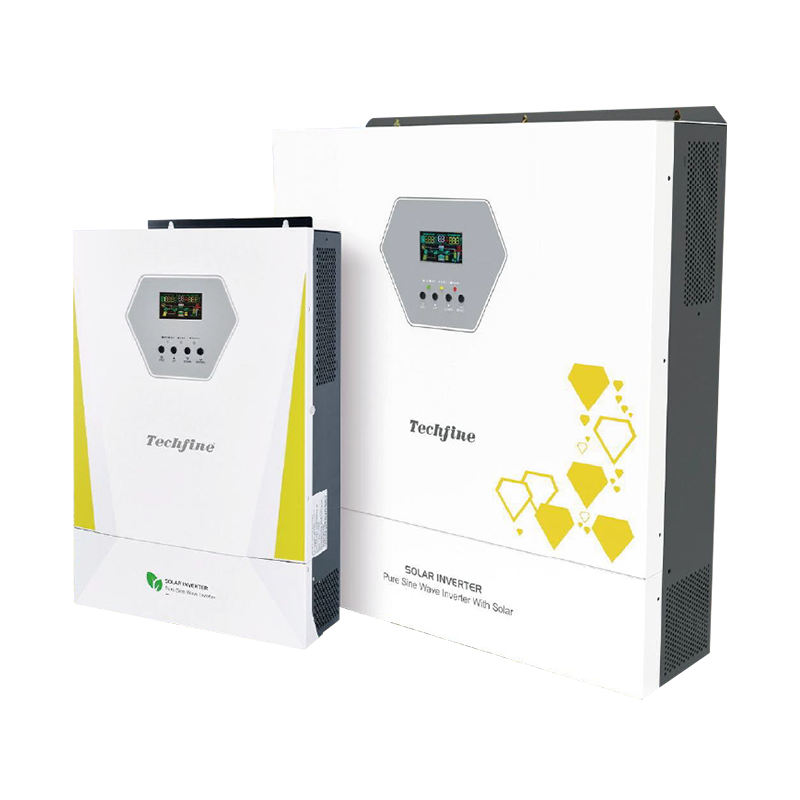
وبالتالي فإن تصميمات العاكس الهجين الحديثة تركز بشكل أكبر على التوزيع الذكي للطاقة. يمكن تكوين النظام لتحديد أولويات مصادر الطاقة المختلفة وفقًا لمتطلبات التشغيل الخاصة به.
وهذا هو أحد الأسباب وراء انتقال تقنية العاكس الهجين إلى ما هو أبعد من التحويل البسيط من التيار المستمر إلى التيار المتردد. يرتبط توجيه الطاقة وتنسيق البطارية والمراقبة والتفاعل مع الشبكة بشكل متزايد ضمن نفس بنية المعدات. كما وصفت ساريفو المحولات الهجينة بأنها مكونات مركزية لتنسيق توليد الطاقة الشمسية وتخزينها وطاقة الشبكة.
لا يعني النظام الهجين المتصل بالشبكة بالضرورة أن الطاقة الشمسية يجب أن تحل محل كهرباء الشبكة بالكامل. وبدلا من ذلك، يمكن أن يشكل كلاهما جزءا من نفس استراتيجية الطاقة.
خلال فترات توليد الطاقة الشمسية الكافية، يمكن للكهرباء المنتجة محليًا دعم الأحمال المتصلة. عندما يكون إنتاج الطاقة الشمسية أقل، يمكن للنظام العمل باستخدام طاقة البطارية المخزنة أو كهرباء الشبكة وفقًا لتكوينه.
وهذا النهج مناسب بشكل خاص للتطبيقات التي يستمر فيها الطلب على الطاقة بعد ساعات إنتاج الطاقة الشمسية. كما أنه يمنح مطوري الأنظمة المزيد من الخيارات عند التصميم حول أنماط مختلفة لاستخدام الكهرباء وظروف الشبكة المحلية.
يعكس تطوير عاكس الطاقة الشمسية Grid Hybrid تغييرًا أوسع في صناعة الطاقة الشمسية. يتم تطوير العاكسات بشكل متزايد كمكونات ضمن أنظمة الطاقة الكاملة التي قد تشمل الوحدات الكهروضوئية والبطاريات وأجهزة التحكم ووظائف المراقبة واتصالات الشبكة.
وتغطي مجموعة المنتجات الحالية لشركة Sarifo الألواح الشمسية، وبطاريات تخزين طاقة الليثيوم، والعاكسات، وأنظمة توليد الطاقة ذات الصلة، مما يشير إلى هذا النهج الأوسع على مستوى النظام.
بالنسبة لمطوري منتجات B2B، فإن هذا يخلق مساحة أكبر لحزم الأنظمة المختلفة. يمكن اختيار العاكس وفقًا لفئة الطاقة ومتطلبات التشغيل، بينما يتم تكوين البطاريات والوحدات الكهروضوئية ومكونات التحكم حول التطبيق المقصود.
ال الشبكة الهجينة للطاقة الشمسية العاكس ولذلك أصبح أقل من مجرد منتج تحويل مستقل وأكثر من كونه عنصر تنسيق داخل أنظمة الطاقة الشمسية الحديثة. وتأتي قيمتها بشكل متزايد من مدى فعاليتها في ربط التوليد والتخزين والاستهلاك والشبكة ضمن إطار تشغيل عملي واحد.
لن يتم نشر عنوان بريدك الإلكتروني. يتم وضع علامة على الحقل المطلوب*

دعمة الاتصال 24/7 (WhatsApp)
+86 15988592807
أرسل لنا البريد الإلكتروني
[email protected]
قم بزيارة مصنعنا
Building 1, No. 21 Shengfa Road, Lucheng District, Wenzhou, Zhejiang, China



 English
  中文简体
中文简体  Français